Blog
Guides to the thermal regions of Europe and beyond: what to expect, what is in the water, and when to go.
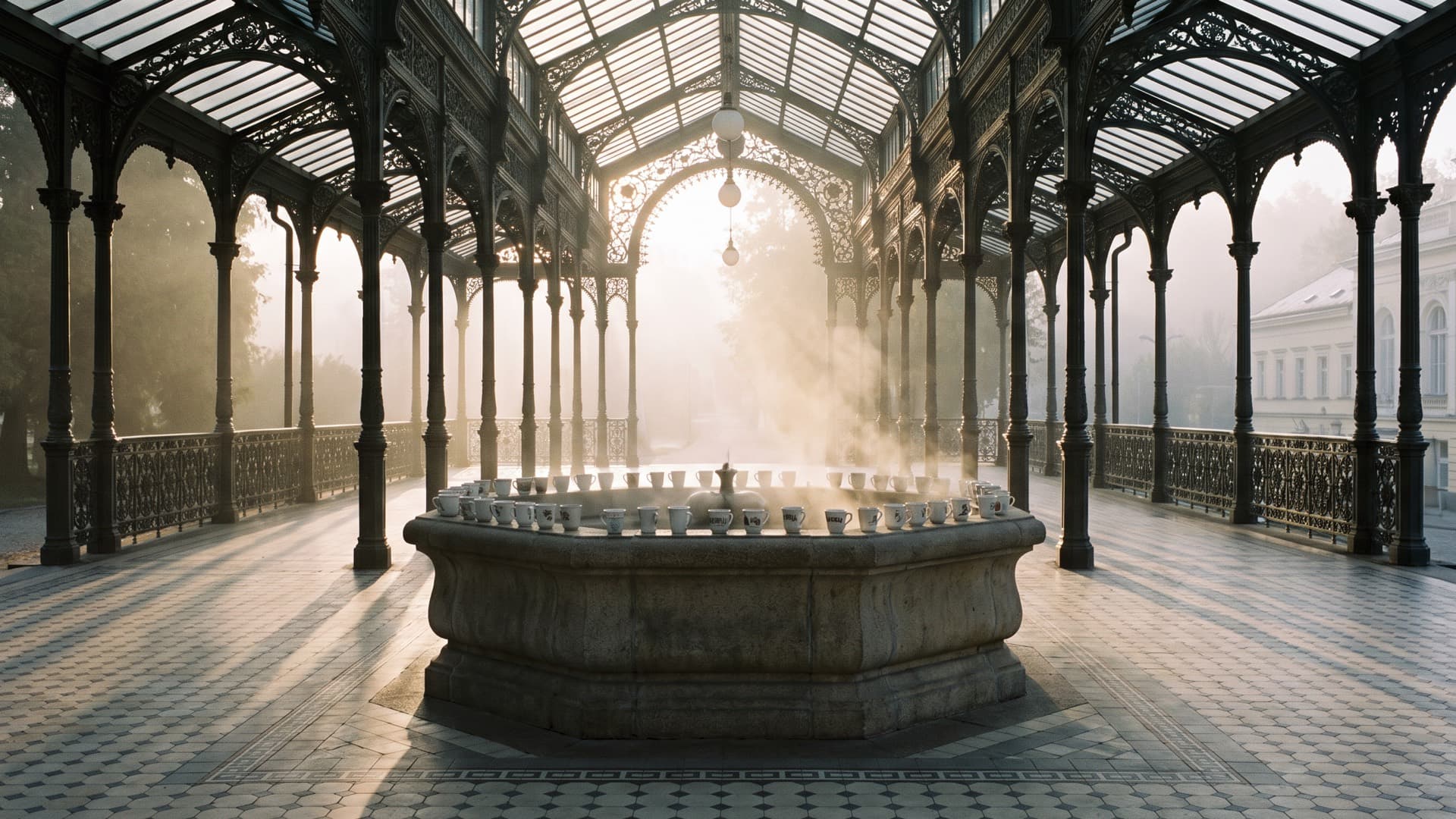
Karlovy Vary, Mariánské Lázně, Františkovy Lázně: colonnades, drinking springs and where you actually get in the water
Karlovy Vary, Mariánské Lázně and Františkovy Lázně were inscribed together with other European spa towns as the Great Spa Towns of Europe in 2021, and all three grew up around a drinking cure taken from colonnades with a porcelain cup. Only Karlovy Vary has hot water: its Vřídlo spring rises above 70 °C and is the source for the town's spa baths, cooled before anyone gets in. The springs of Mariánské Lázně and Františkovy Lázně are cold and carbonated, and their baths use mineral water heated for the purpose — in Františkovy Lázně also carbon dioxide gas and peat. Across Czechia there are 30 venues to choose from, 11 thermal baths and 19 water parks, and 8 of them hold an official medicinal-water certification.
Read more →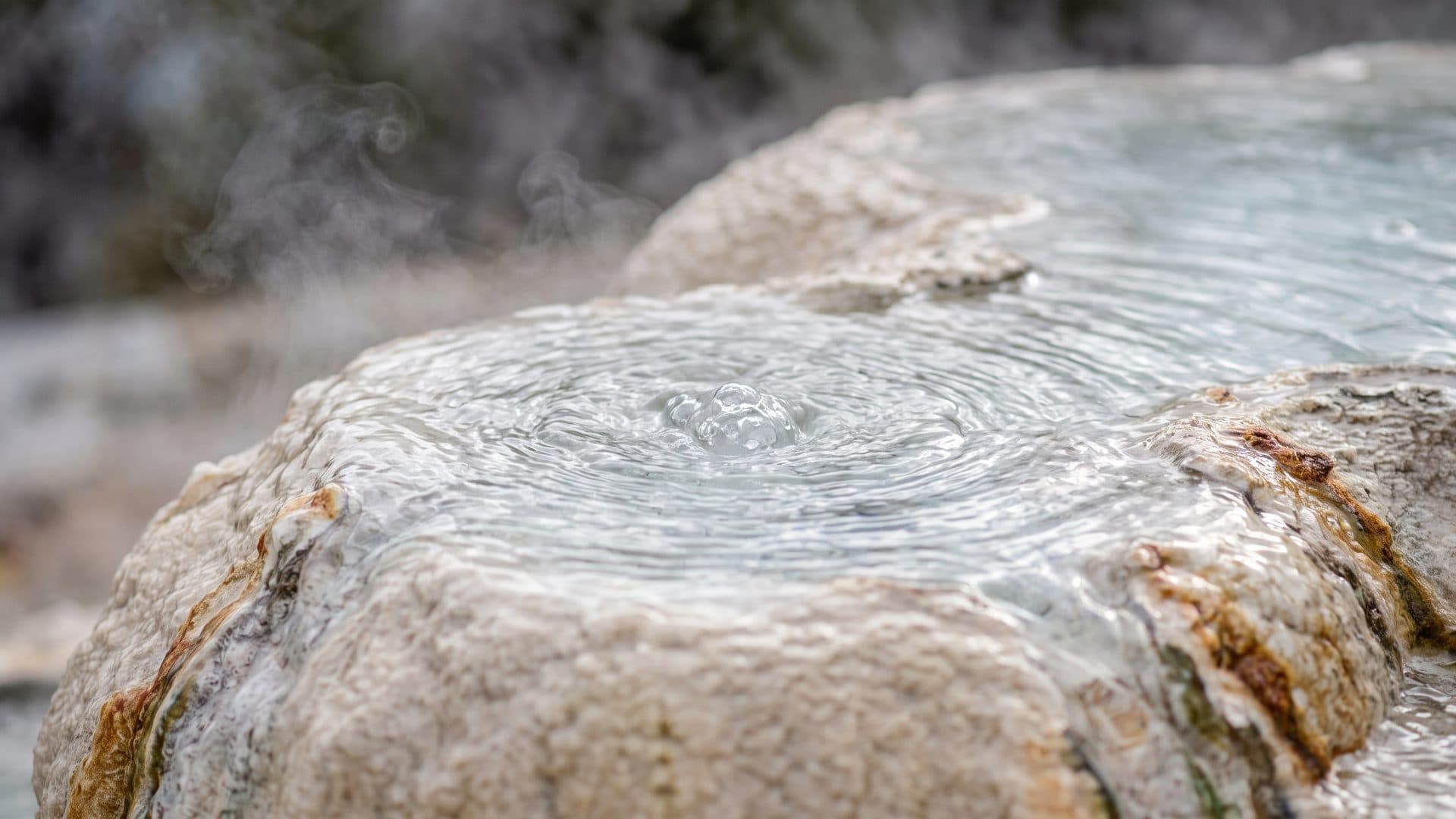
Thermal, mineral, medicinal: what each word on a spa sign actually tells you
The three words answer three different questions. <strong>Thermal</strong> is the temperature of the water where it leaves the ground: more than 20 °C under the German and Austrian definition, more than 30–31 °C in Hungary. <strong>Mineral</strong> is what is dissolved in it; the German definition of a medicinal water asks for at least a gram of dissolved minerals per litre, the US Food and Drug Administration 250 parts per million. <strong>Medicinal</strong> is a decision a state makes about one particular source — a gyógyvíz in Hungary, a Heilwasser in Germany — and it has nothing to do with heat: the cold springs of Mariánské Lázně run at 7–10 °C. 249 baths publish a spring temperature of 20 °C or more, and 92 of them (37%) also use water recognised as medicinal. None of the three words tells you how warm the pool is.
Read more →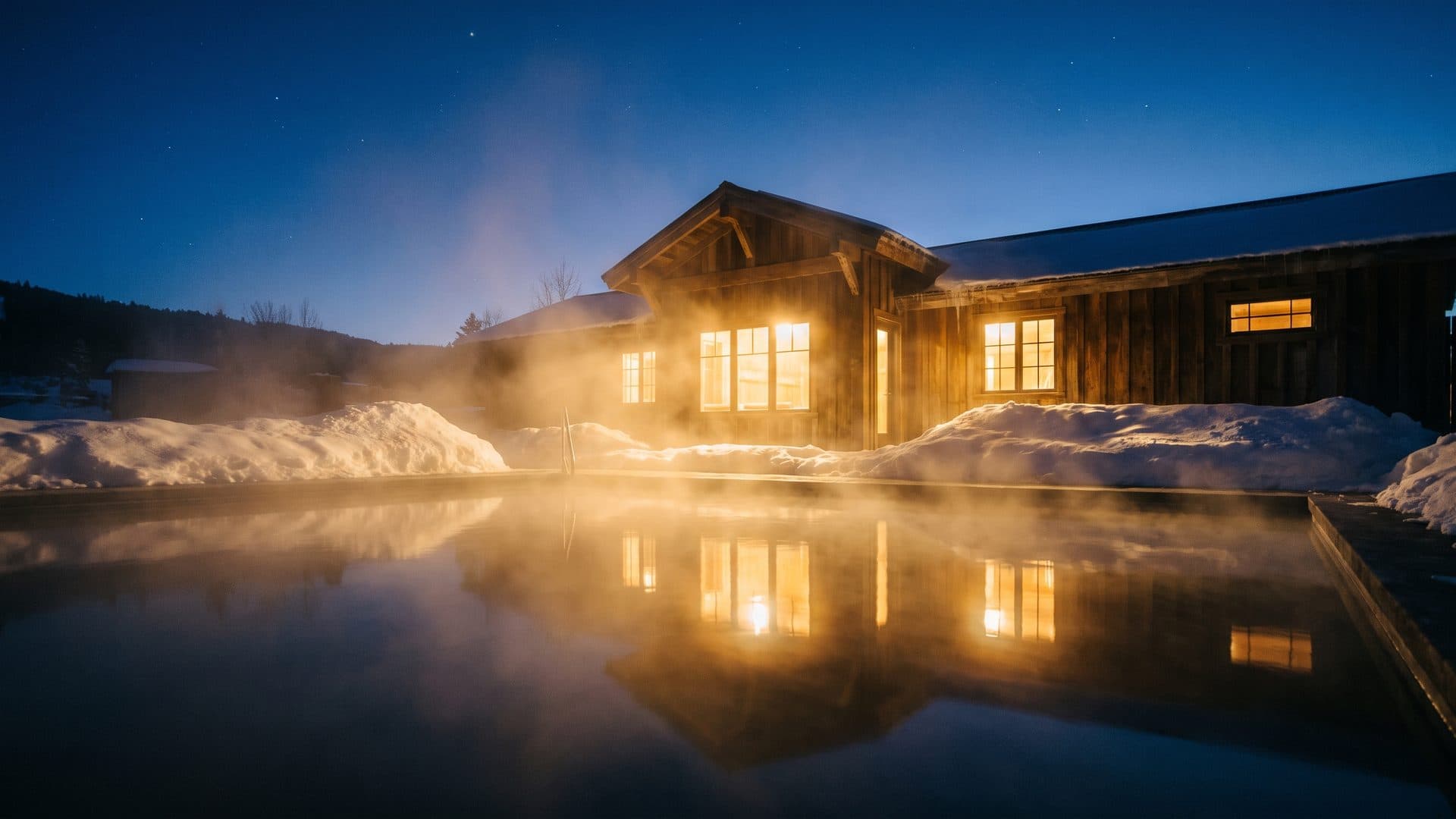
Outdoor thermal pools that stay open in winter: snow on the rail, warm water to the chin
126 thermal baths and pools state that their outdoor water is open all year, among them Gamla Laugin in Iceland (built 1891, 38–40 °C all year according to the operator), Polynesian Spa on Lake Rotorua and Kúpalisko Oravice under the Western Tatras. 45 of the 69 that publish a pool temperature report 34 °C or more, which is warm enough to sit still outdoors in winter; a 27 °C spring pool like Yarrangobilly in Australia is for swimming, not sitting. Before going in winter, check which outdoor pools actually run that month, how you get from the changing room to the water, and any age rules.
Read more →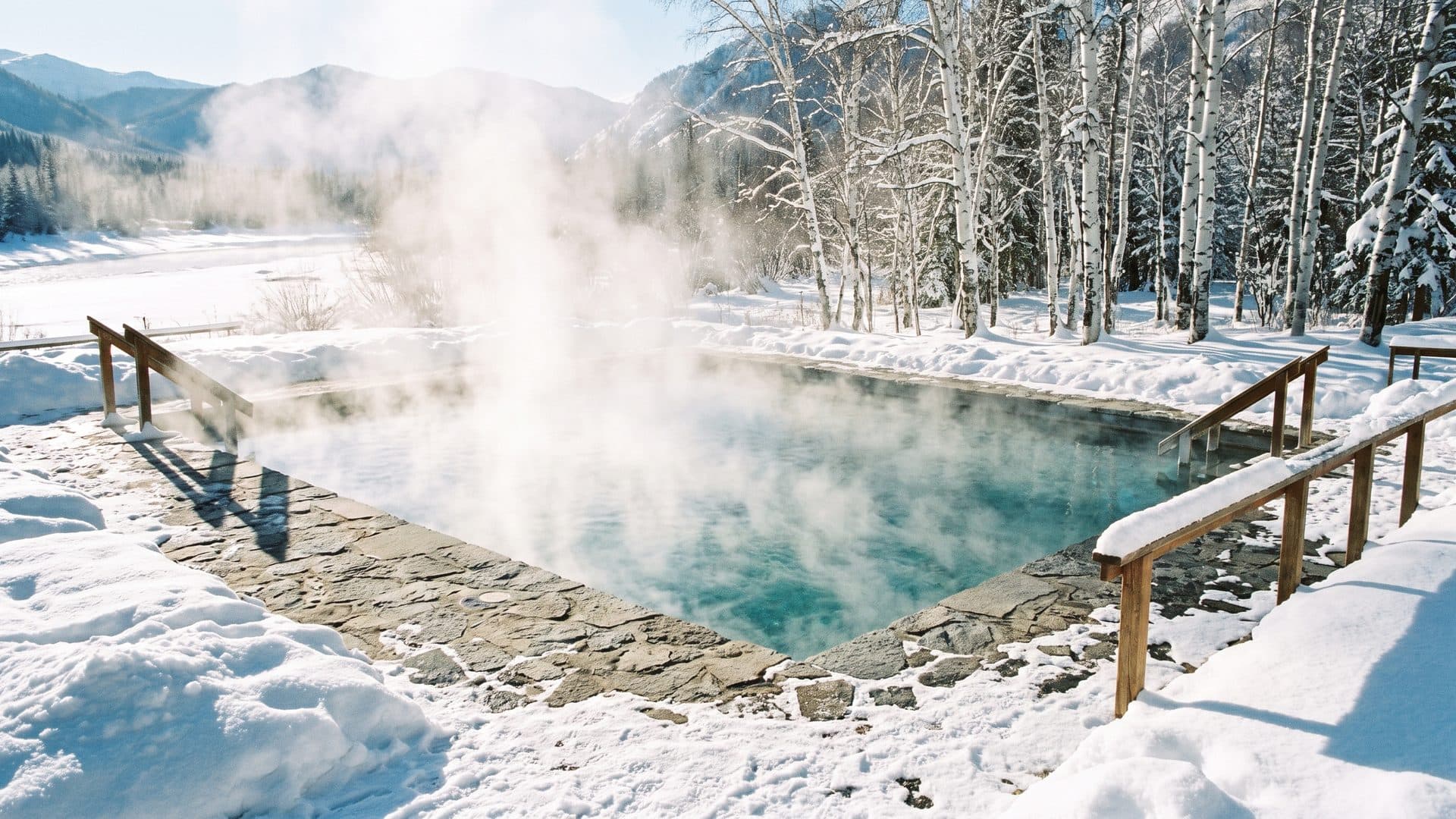
Thermal baths near Munich: oil wells that found hot water, a Roman bath under a church, and a salt town in the Alps
Within about 100 km of Munich there are 14 thermal baths, 11 in Bavaria and 3 across the border in Austria, and 8 of them use water with official medicinal (Heilwasser) status. Several exist because drilling for something else struck hot water: Therme Erding sits on a 1983 oil exploration well that found 65 °C water at 2,350 m, and Bad Endorf's iodine water turned up in a 1963 oil borehole. Others are much older: Bad Gögging's sulphur springs fed a Roman bath, and Bad Reichenhall has worked its brine since about 450 BC. The pools run cooler than the word Therme suggests: of the 11 baths that publish a pool temperature, 3 reach 36 °C.
Read more →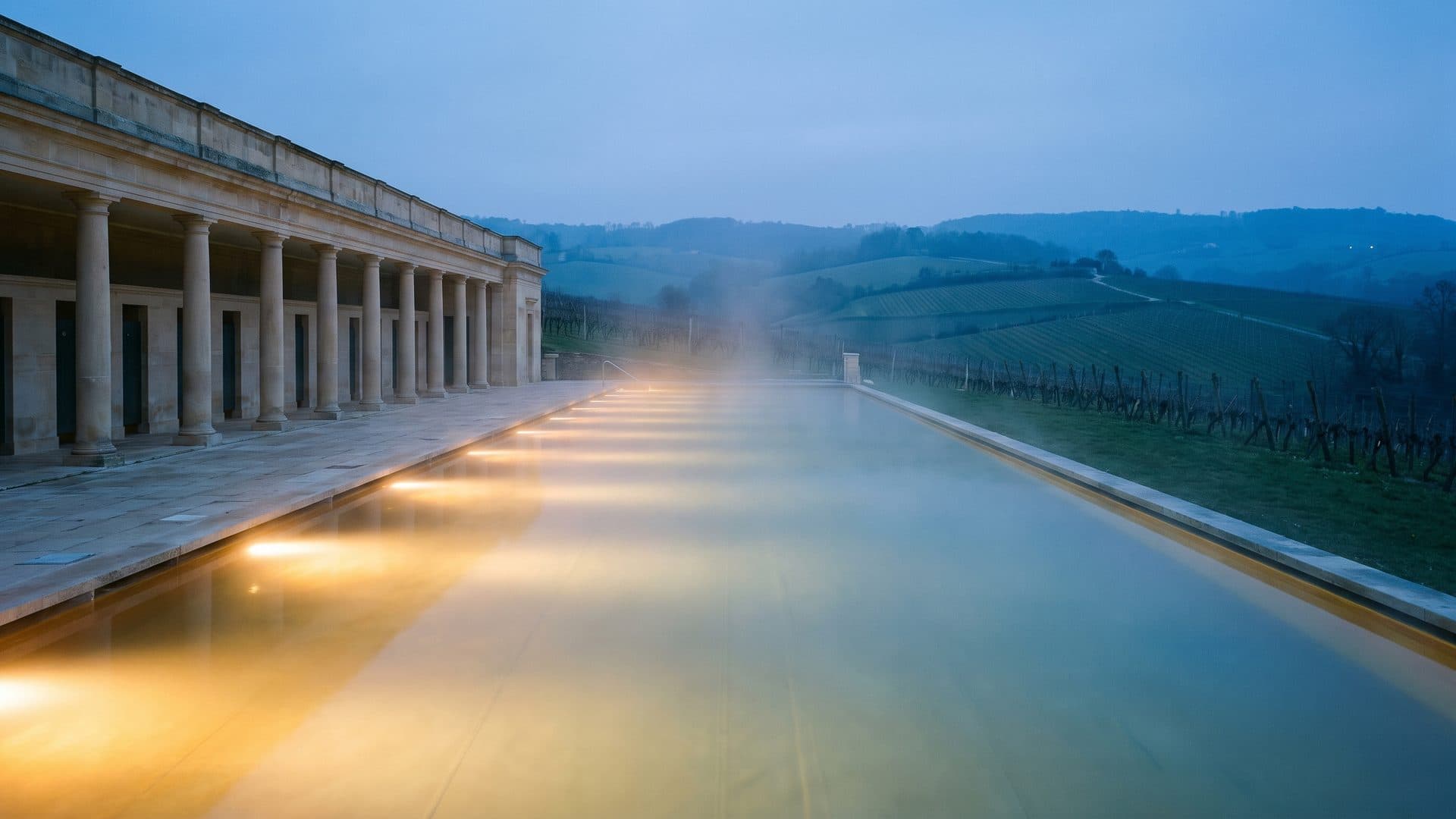
Thermal baths near Vienna: from an oil well at the end of the U1 to the spa towns over the border
Within about 100 km of Vienna there are 22 thermal baths, 9 of them in Austria and 8 in Hungary, the rest across the Slovak and Czech borders; 13 use water a state recognises as medicinal. The nearest is Therme Wien at Oberlaa, at the end of the U1, fed by sulphur springs, one of which comes up from 900 metres at 47 °C and is cooled to 36 °C for bathing. Baden, a UNESCO Great Spa Town since 2021, has the Römertherme and the 1926 Thermalstrandbad; Bük in Hungary began with an oil survey that found hot water in 1957; Hodonín in Czechia bathes patients in iodine brine from about two kilometres down. "Medicinal" is granted by a different authority in each country, so the word does not mean the same thing on both sides of a border.
Read more →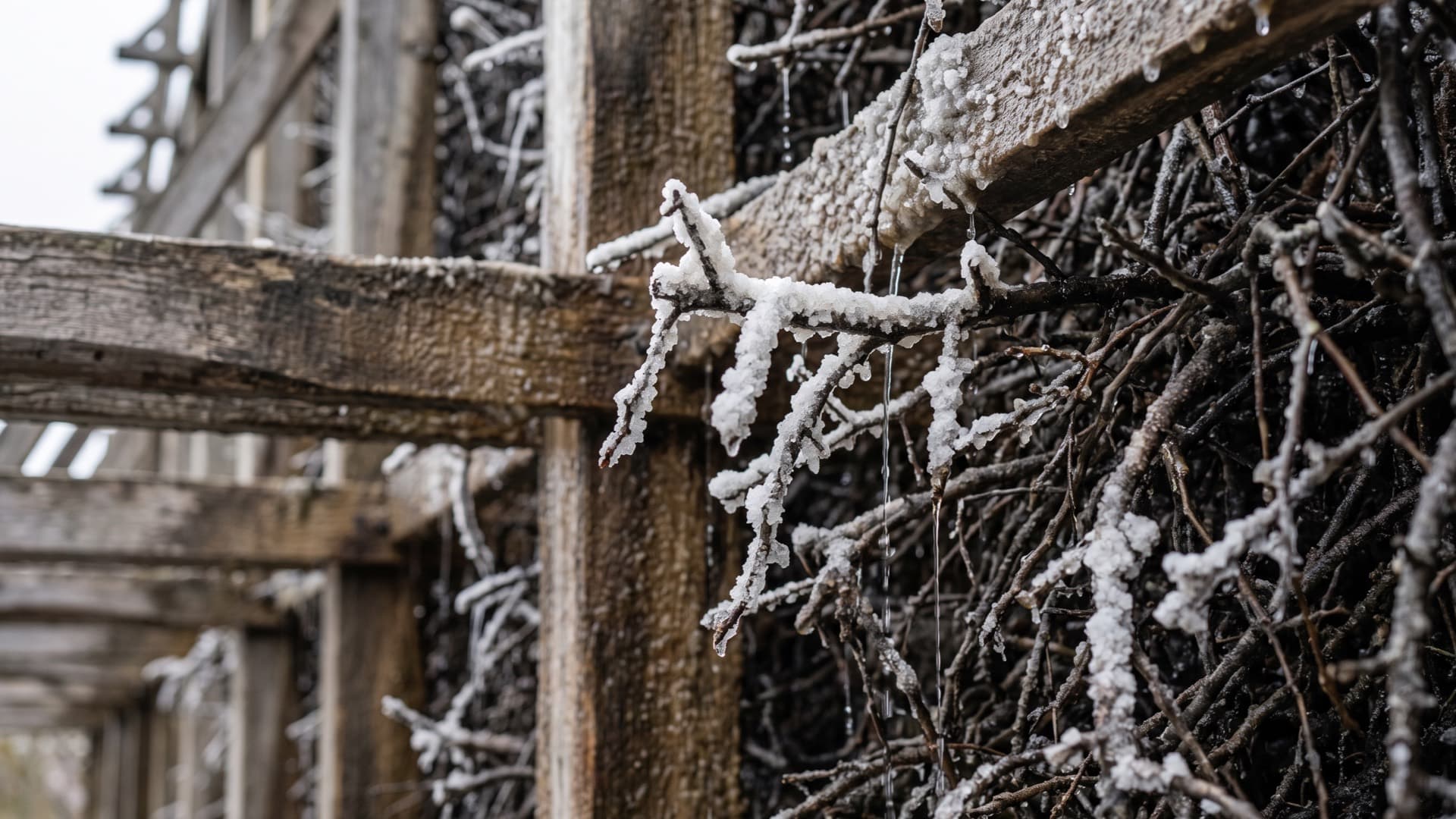
Brine baths: the salt towns, graduation towers and pools behind the word Sole
95 baths and water parks list a brine pool, 69 of them in Germany. The best known stand in old salt towns: Lüneburg, whose saltworks ran until 1980; Bad Ischl, where the court physician Franz Wirer opened Austria's first brine bath in 1823; Bad Reichenhall, which piped its brine 31 km to Traunstein from 1619. German spa standards reserve the word Sole for water with at least 5.5 g of sodium and 8.5 g of chloride per litre, roughly 1.4 per cent salt, but pools are mixed to a chosen strength: 1.5–4 per cent at Lüneburg, 3 per cent at Bad Ischl, 12 per cent in Bad Reichenhall's floating pool. A brine pool is not a salt room; 25 venues have both.
Read more →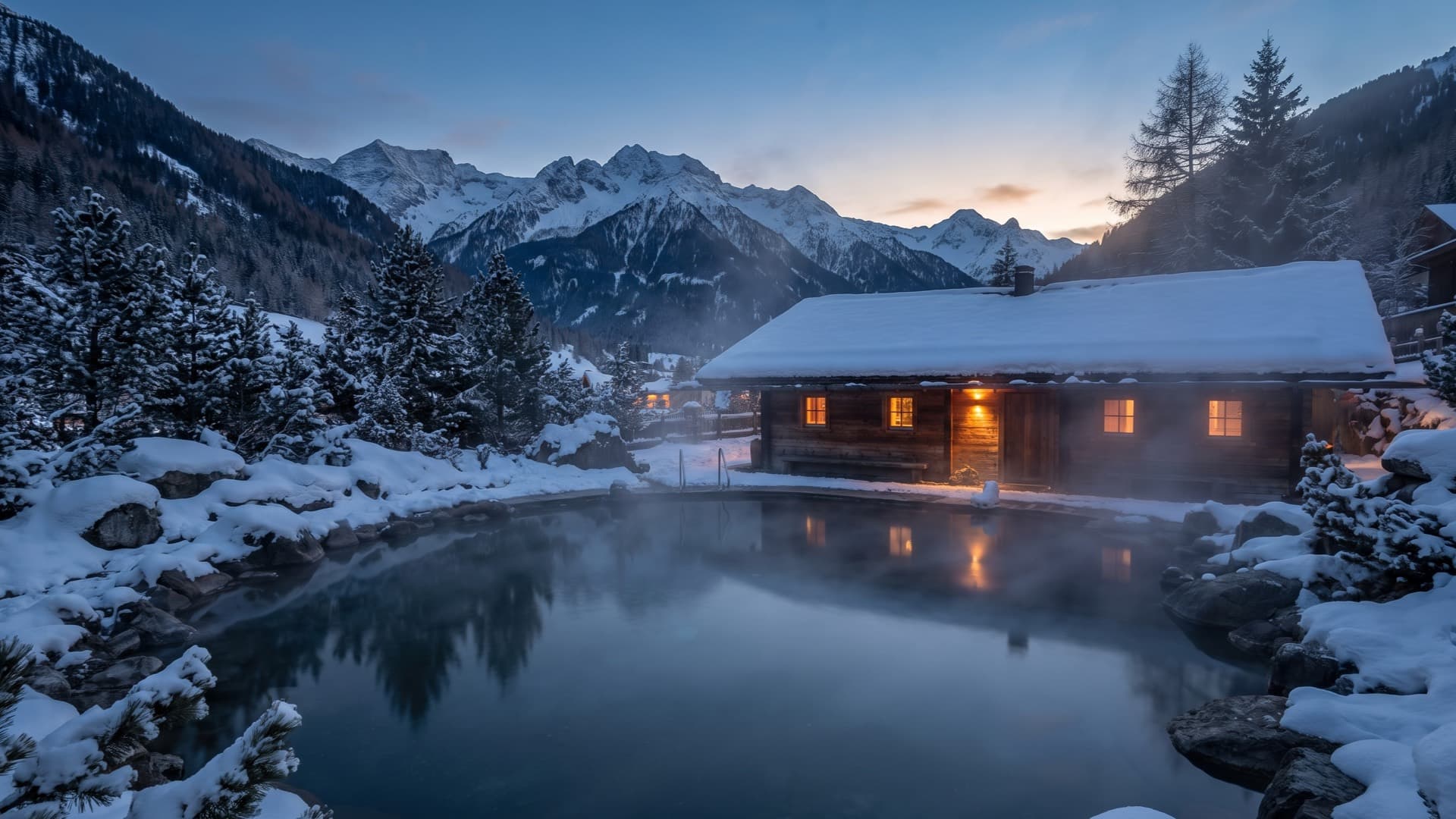
Austria's thermal baths: oil wells in Styria, a bath blasted into the rock at Gastein, brine in Bad Ischl
Austria has 34 thermal baths in three broad families. In eastern Styria and the Innviertel, Therme such as Loipersdorf, Bad Waltersdorf, Bad Blumau and Geinberg exist because drilling for oil or gas in the 1970s hit hot water instead; at Loipersdorf a blowout on 10 July 1972 brought up 62 °C water from just over 1,000 metres. In the Alps, the Gastein valley's 17 springs rise beside a waterfall at about 40–46 °C and are known for radon. In Bad Ischl the spa grew out of brine baths first tried on sick salt workers in the early nineteenth century. 15 of the 34 use water a federal state recognises as medicinal; in Austria that recognition, and the titles Kurort and Heilbad, are granted under each state's own spa act, while the word Therme is free for anyone to use.
Read more →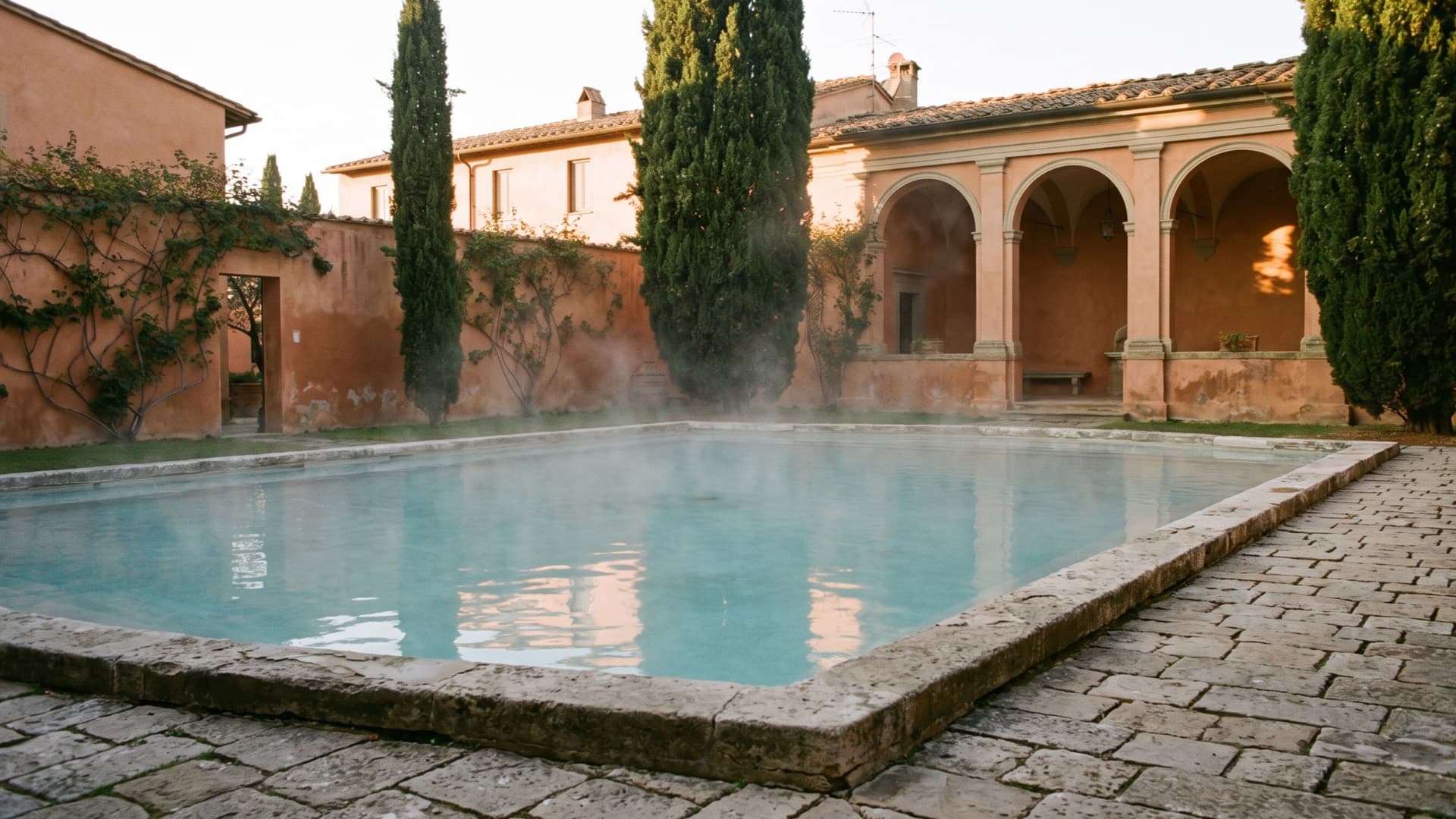
Thermal baths in Italy: Dante's spring, Verdi's cave and a cure on prescription
In Italy terme is a regulated word: Law 323 of 2000 reserves terme, termale, fango termale and even spa for cures with recognised therapeutic efficacy, and sets no temperature threshold. Anyone registered with the national health service can have one cycle of thermal cures a year on a doctor's prescription, usually twelve consecutive sessions after an admission visit with the spa's own doctor. Italy's 46 thermal baths here run from the Bullicame spring at Terme dei Papi in Viterbo (58 °C at source) to Grotta Giusti's cave lake in Tuscany and the Roman-era baths of Bormio. Sulphur runs through many of their analyses, and several post house rules worth reading before you pack, from white bathrobes at Saturnia to a swimming cap at Sirmione.
Read more →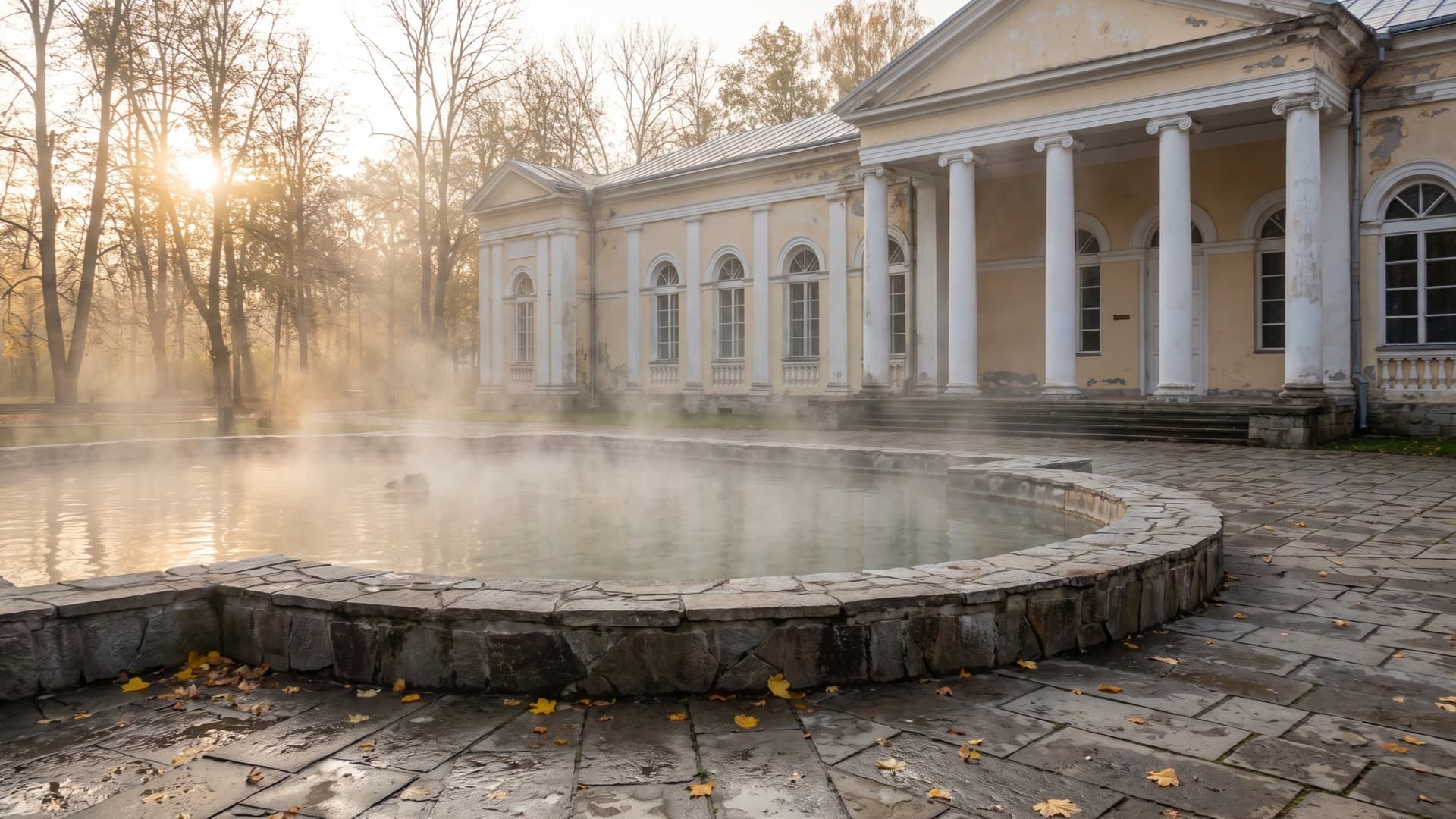
Germany's thermal baths: Charlemagne's springs, a protected word and water the law treats as a medicine
In Germany only a state-recognised Heilbad may add Bad to its name, and recognition is granted by each federal state. Heilwasser is regulated as a medicine under the Medicines Act, though water used on site for bathing or inhalation is exempt from the marketing authorisation that bottled Heilwasser needs. There are 134 German thermal baths on the list, most of them in Baden-Württemberg (31) and Bavaria (29); 54 of them, 40%, are recorded as using certified medicinal water. The historic baths have their own rules: Friedrichsbad in Baden-Baden and Wiesbaden's Kaiser-Friedrich-Therme are textile-free except on set swimwear days, and the Kaiser-Friedrich-Therme admits no one under 16, according to the operator.
Read more →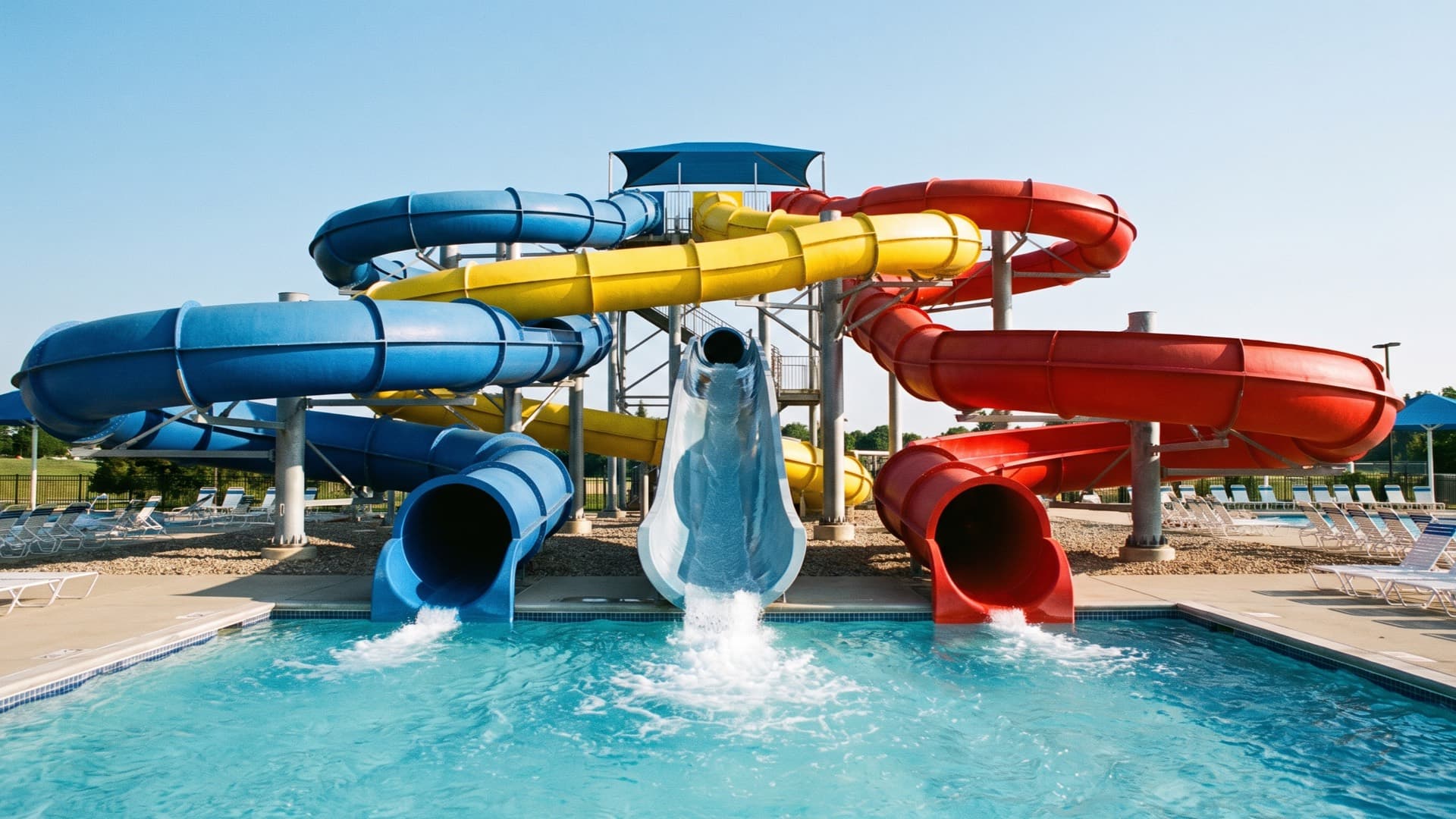
Water parks in Europe: a wave pool in the dark, an airship hangar and the parks that drill for hot water
European water parks come in three kinds: covered tropical halls built to be open all year, such as Tropical Islands in a former airship hangar south of Berlin; open-air summer parks such as Istralandia in Istria, Croatia's first water park; and thermal water parks such as Hungarospa Hajdúszoboszló or AquaCity Poprad, which sit on hot wells. Several parks are called the biggest in Europe, each by a different measure, so check what is being counted. Of 414 water parks listed, 186 are in Germany, 35 publish a spring or well temperature of 30 °C or more, and 67 say they are open all year.
Read more →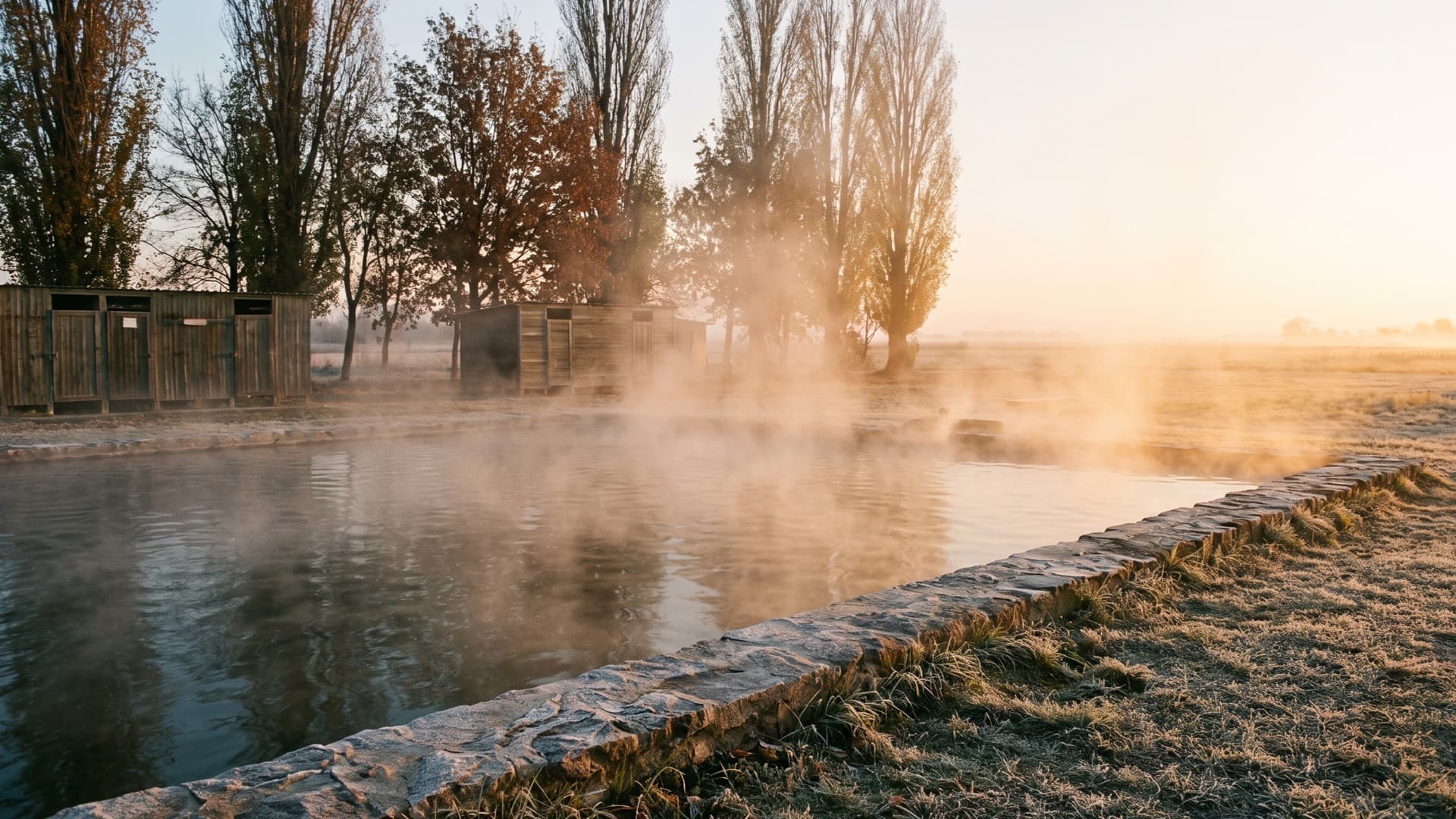
Hungary's thermal baths beyond Budapest: a lake at Hévíz, a cave at Miskolctapolca and the oil wells that struck hot water
Hungary sits on the Pannonian Basin, where the crust is thin and the ground heats up with depth at close to twice the usual rate, so ordinary boreholes reach hot water. Many of the country's best-known baths began as oil or gas wells: Hajdúszoboszló in 1925, Bük in 1957, Zalakaros in 1962. Older ones grew around natural springs, such as the lake at Hévíz, first mentioned in 1328, and the sulphur spring at Harkány, found in 1823. There are 138 Hungarian thermal baths in the list, 70% of them using water certified as medicinal, which in Hungary means a health authority has accepted its healing effect on medical evidence.
Read more →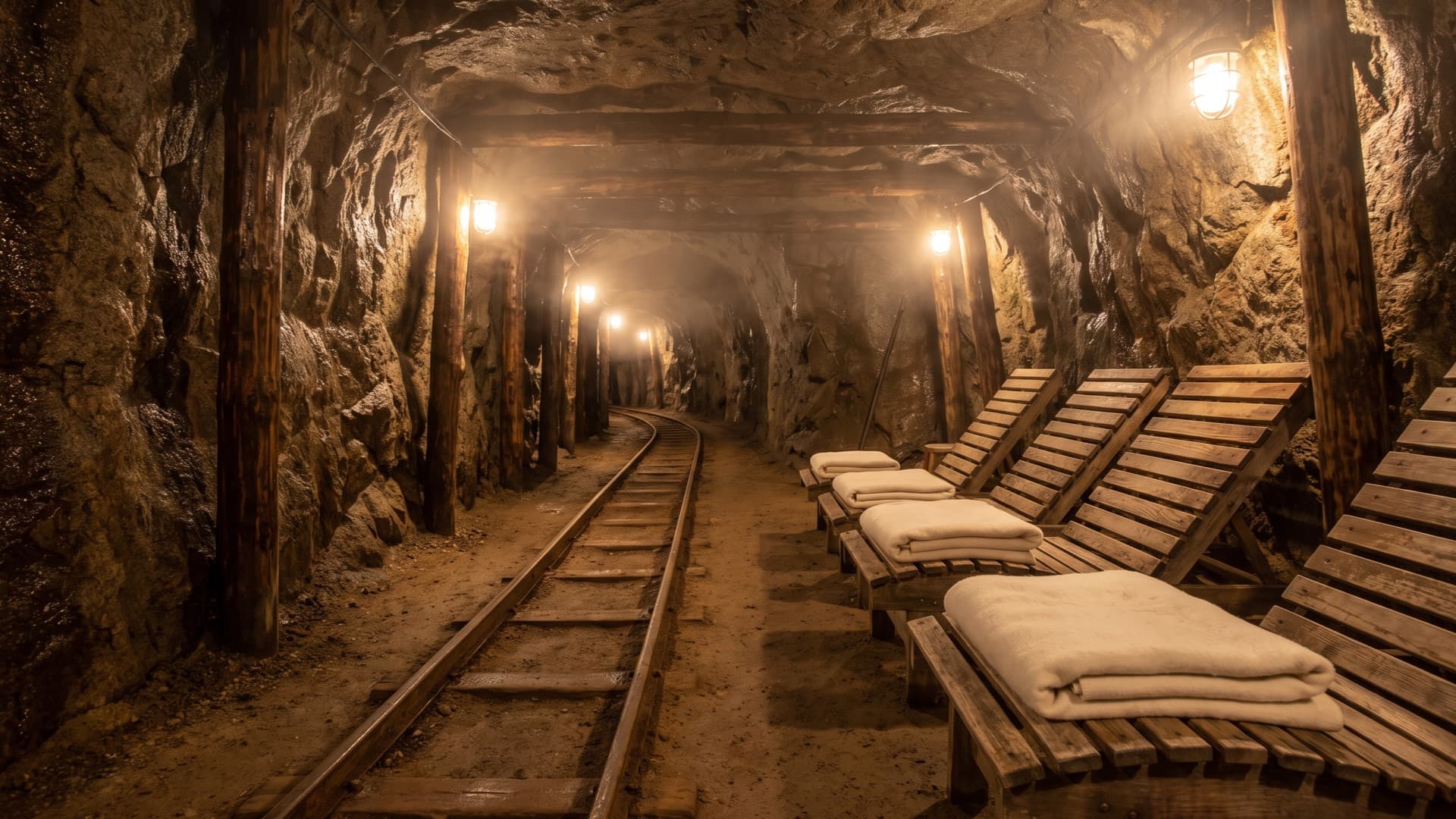
Radon thermal water: a gold-miners' tunnel, a seer's spa and a radioactive gas people travel to lie in
Radon is a radioactive noble gas that forms as uranium decays in granite and gneiss; it dissolves in groundwater, is measured in becquerels per litre and loses half its activity in 3.8 days, which is why radon cures are often given in individual tubs of freshly drawn water. 15 baths name radon among the dominant constituents of their water, 3 of them in Austria, and 7 hold an official medicinal-water certification. The legal minimum for a 'radon water' differs by country — 666 Bq/l in Germany, 370 in Austria, 1,500 in the Czech Republic, 37 in Hungary. Germany's Federal Office for Radiation Protection accepts the slightly raised lung-cancer risk of a radon cure only where a doctor expects a matching medical benefit, and advises against radon for wellness; ask your doctor before booking one.
Read more →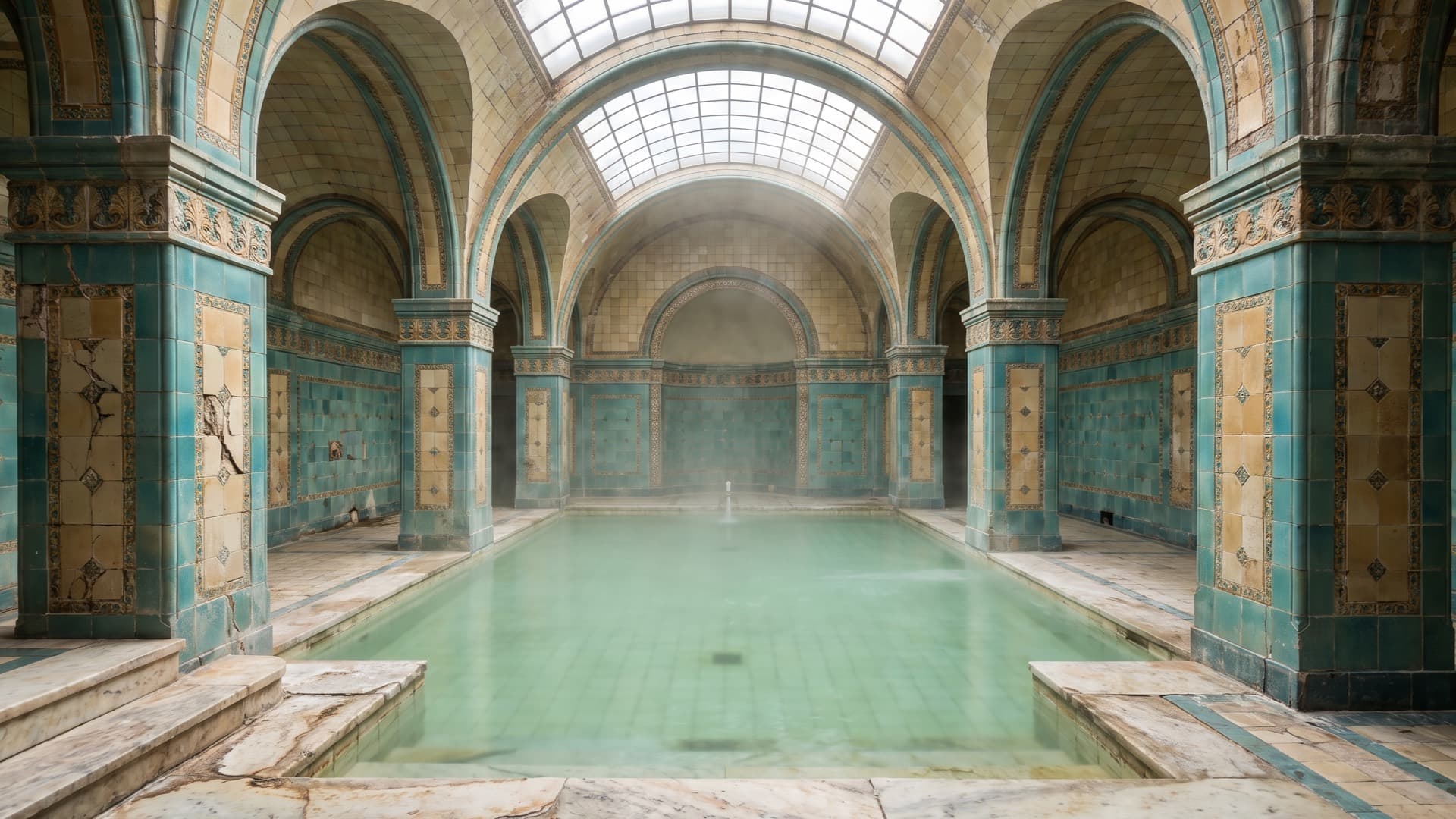
Budapest thermal baths: green pillars, thank-you tablets and a city built over hot water
Budapest has 18 places to bathe within the city, and 9 of them hold Hungary's official medicinal-water certification. The city lies on a geological fault between the Buda hills and the plain, and more than a hundred thermal springs rise along it. The baths built over them come from distinct eras: Ottoman bathhouses of the 1570s such as Rudas and Veli Bej, early-20th-century spa palaces such as Széchenyi (1913) and Gellért (1918), and neighbourhood lidos and people's baths such as Csillaghegy and Dandár. Gellért is closed for reconstruction, with its operator expecting to reopen in 2028, and Király is closed for an indefinite period. Széchenyi, Rudas, Lukács and Dandár do not admit children under 14, slippers are compulsory in all the city-run baths, and Rudas states that it is currently not accessible to people with disabilities.
Read more →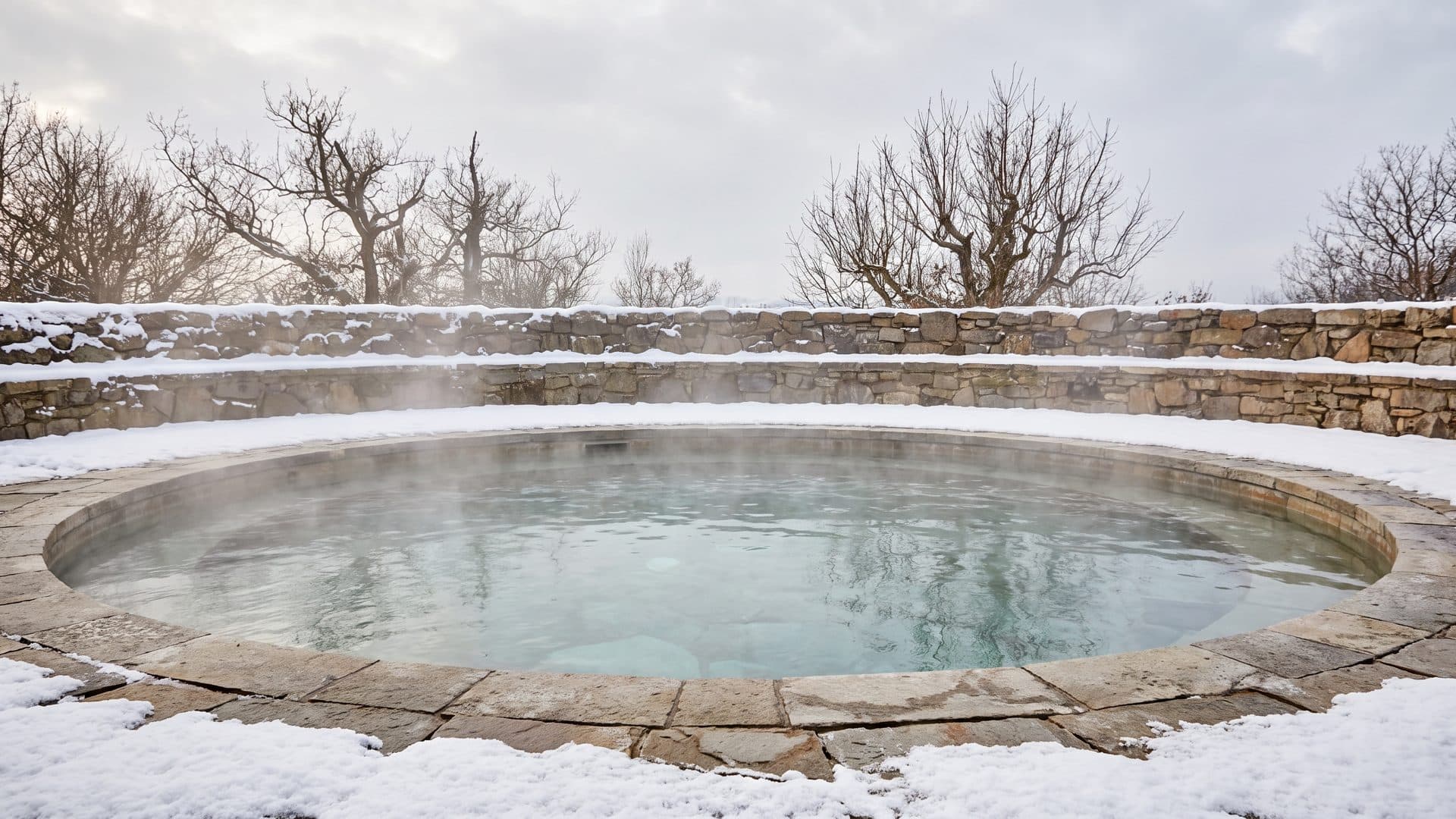
Open-air bathing: a Hamburg Freibad, a Hungarian strand and marble columns under Pamukkale's water
Open-air bathing covers several different places: the lido and the German Freibad, usually a summer pool of ordinary water; the Hungarian thermal strand, outdoor pools of mineral water on a lawn; and wild springs such as Bagni di Petriolo on the river Farma, where the water comes out of the ground at about 43 °C. 551 baths state that they have an outdoor pool, 394 of them thermal baths. Of the 299 that publish a water temperature, 30 report 40 °C or more and 34 report 30 °C or less, so check what the water is, and how warm, before you go.
Read more →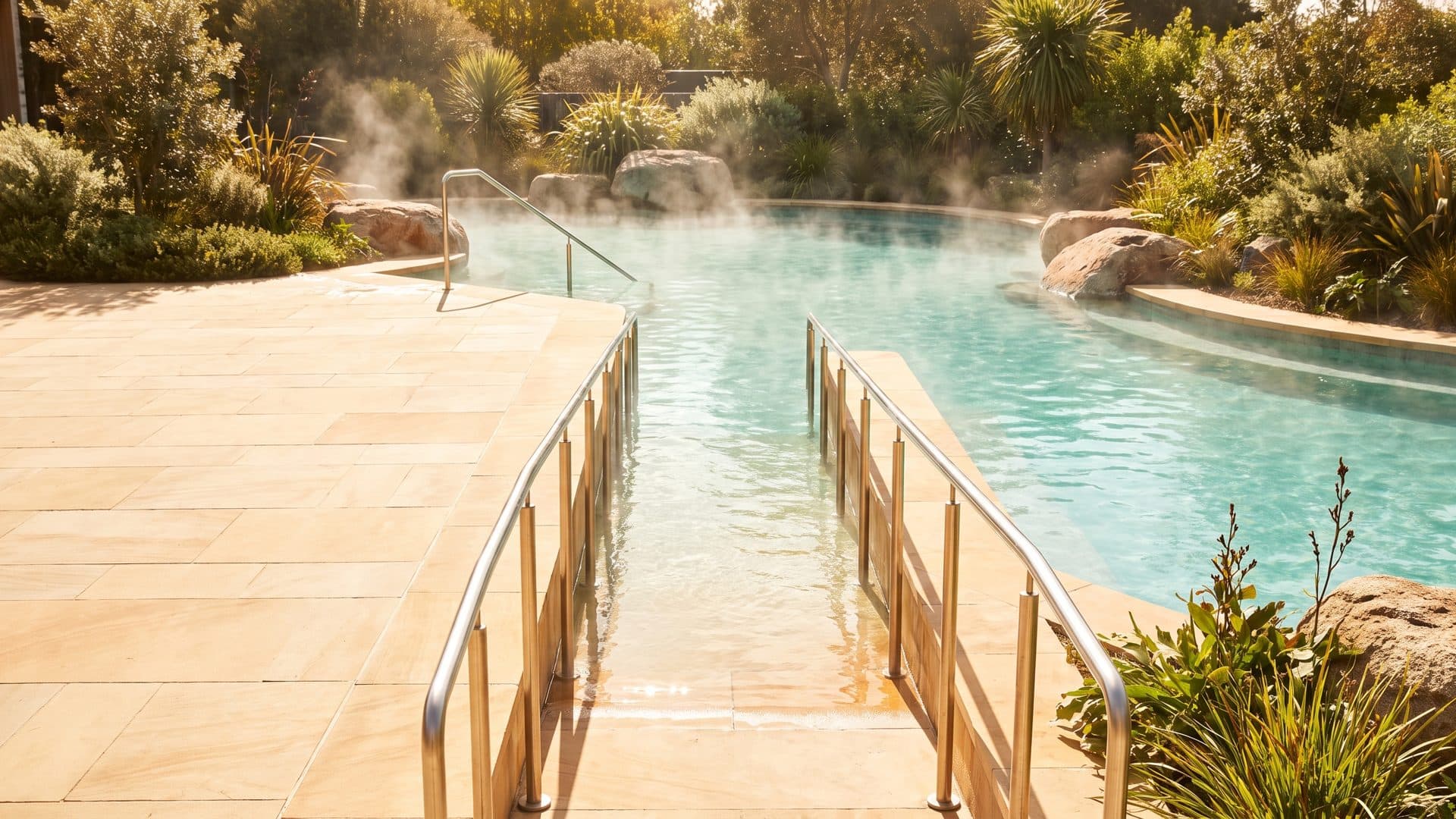
Step-free thermal baths: getting through the door, and getting into the water
296 thermal baths and water parks state that their entrance is step-free, but a step-free entrance does not tell you how you get into the water. Operators that publish the detail describe very different arrangements: Banff Upper Hot Springs lends an aquatic wheelchair and has a sloped hall with handlebars into the hot pool, the Blue Lagoon lends specially designed wheelchairs for the lagoon, the Carolus Thermen in Aachen has a lift in the bathing hall to its large thermal pool, and at Hepburn Bathhouse the main pool ramp ends in two steps. Before travelling, ask how people get into the water and where the accessible changing room is.
Read more →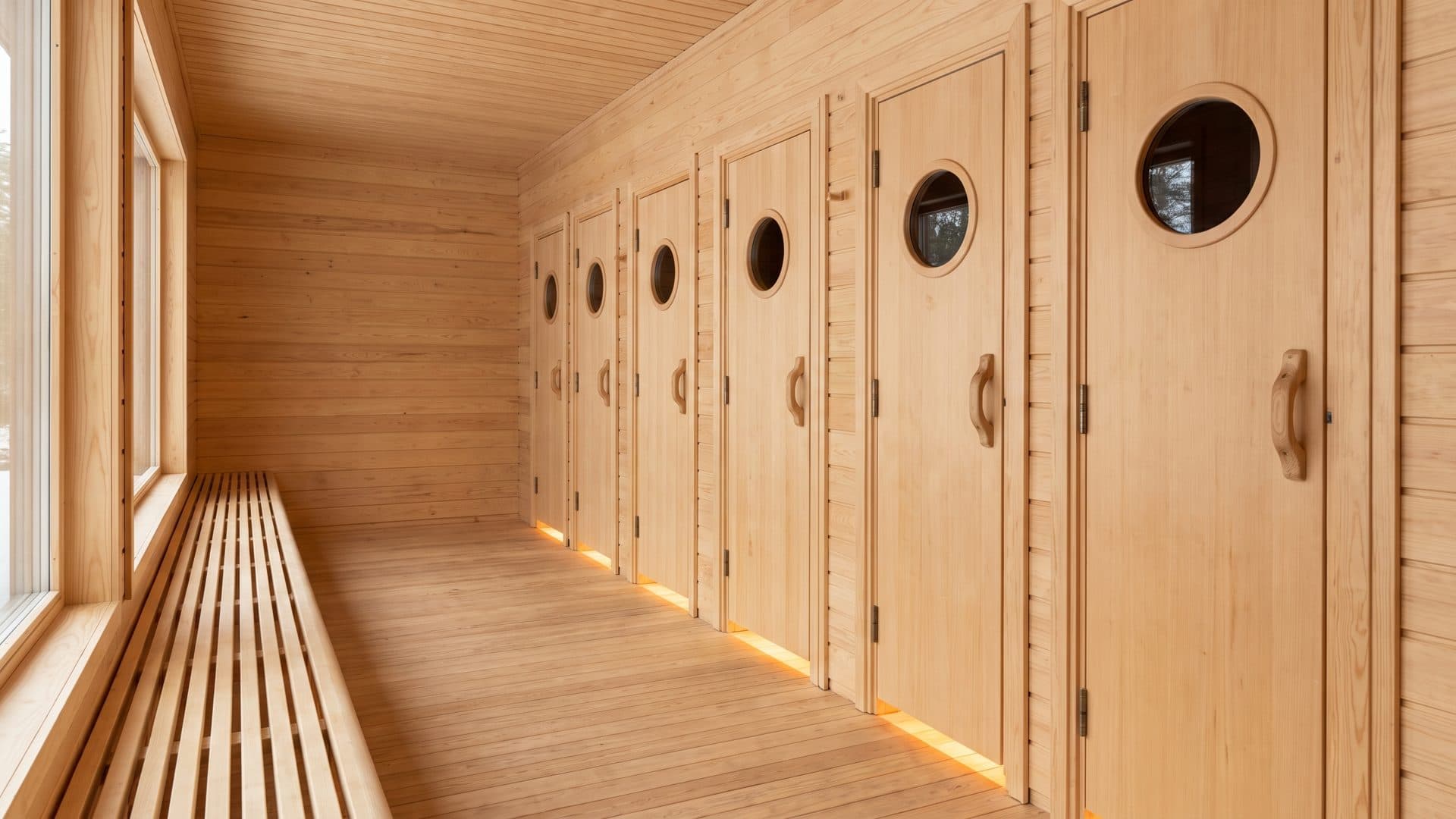
Smoke, steam and birch leaves: what the words on sauna doors mean
358 baths, water parks and sauna houses say they have a sauna, 294 of them thermal baths. The names on the doors describe two things: how hot the air is and how much water it holds. A Finnish sauna runs at roughly 75–100 °C in dry air; a bio-sauna at about 45–60 °C with 40–55% humidity; a steam room or hammam at around 50 °C with humidity close to 100%; an infrared cabin warms your body directly and usually stays at 60 °C or below. A smoke sauna, like the Karelian one at Badegärten Eibenstock, is heated for hours and used only after the fire is out; a Russian banya adds birch whisks; a hammam is a sequence of warm rooms built around being washed.
Read more →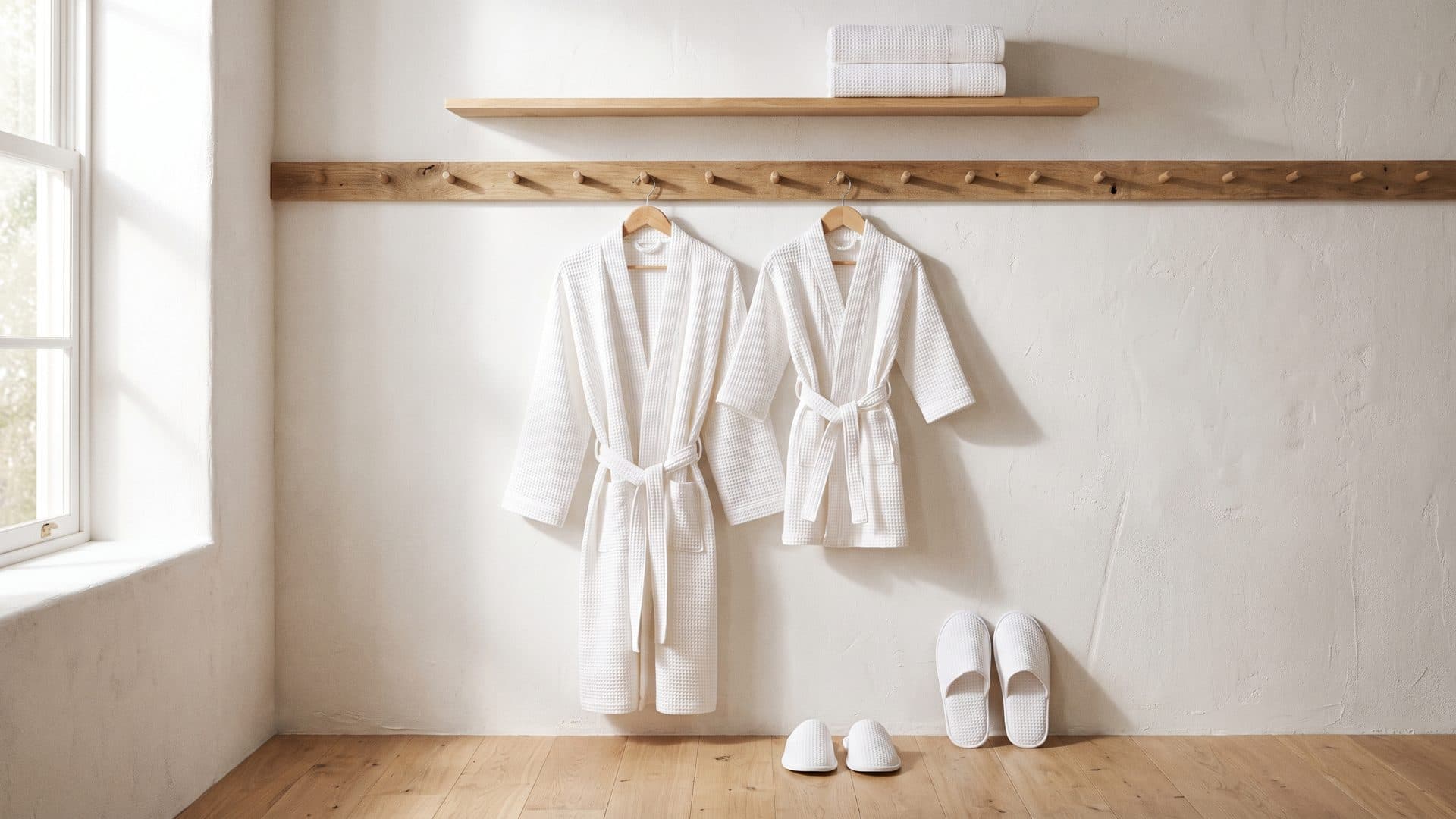
Textile-free bathing: why German and Belgian saunas ask you to undress, and how a first visit goes
9 thermal baths and pools state that swimwear is not worn in at least part of the house, 6 of them in Germany, among them the Friedrichsbad in Baden-Baden and Katara in East Flanders. In the German-speaking tradition the sauna is entered undressed and the swimming pool usually is not, so the rule belongs to a room or a time of day more often than to the whole building. Most textile-free baths also run a swimwear day each week — Wednesday at Katara, Wednesday and Saturday at the Friedrichsbad — and the operator's own page states which day is which.
Read more →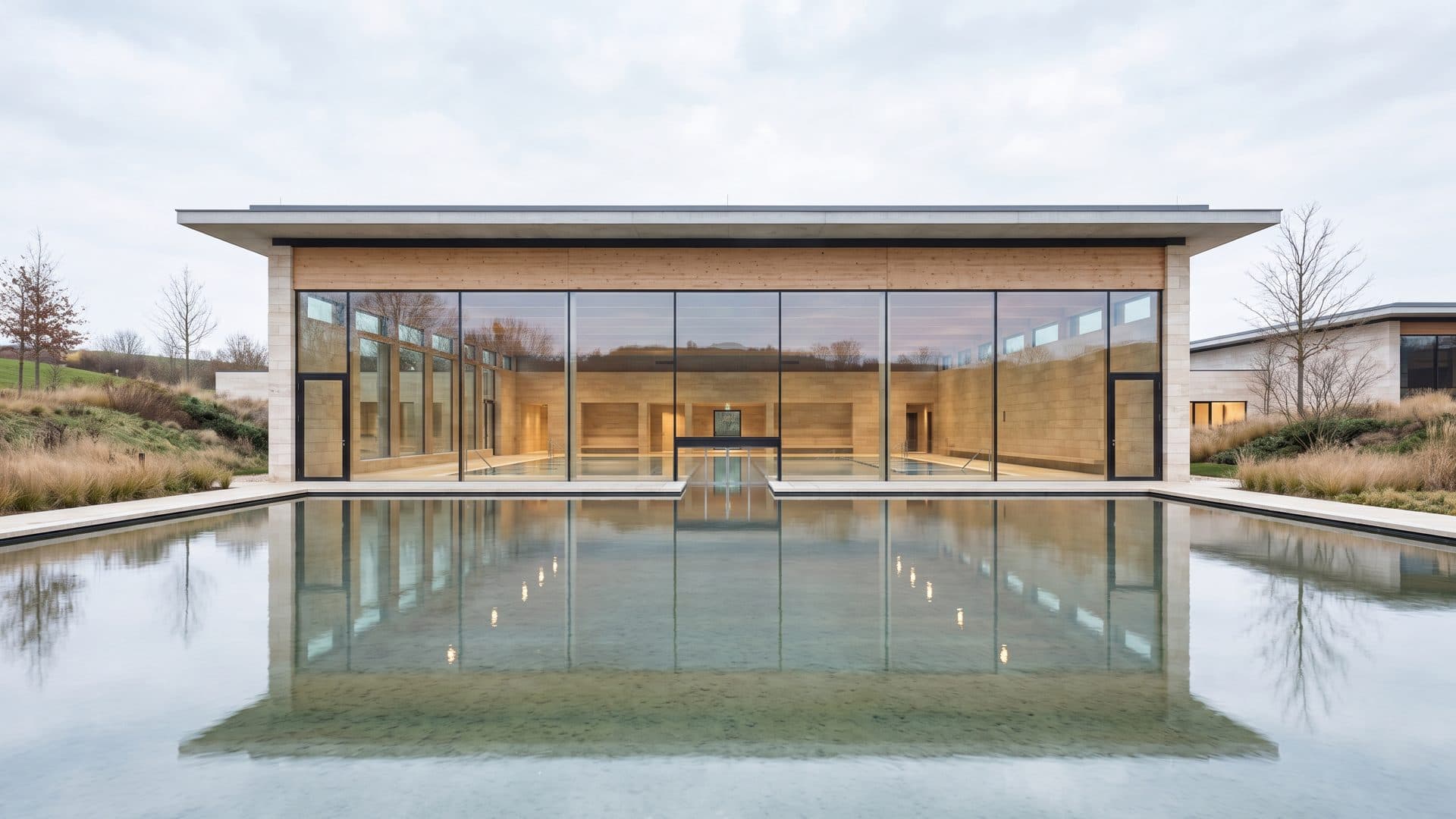
Therme, terme, toplice, banja: what the word over the door means, country by country
The thermal word on a bath's sign means something different in every country. In Germany not even Thermalbad is protected by law; what the state controls is the Bad in a town's name and the recognition of a spring. In Italy the words terme, termale and thermae may by law be used only for licensed thermal establishments, and their water is defined as mineral water used for therapy, at any temperature: the spring of Terme di Gambassi comes up at 15 °C. In France any natural mineral water used for a cure counts as thermal, so the spring at La Roche-Posay runs at 13 °C. Toplice, banja and Ilidža are old words for warm springs that became place names. 389 baths carry a thermal word in their name; 148 of them publish the temperature of their spring, and 127 use water recognised as medicinal. The number that answers the question is the spring temperature with its analysis, not the word.
Read more →
Who certifies medicinal water? The offices, the paperwork and the baths behind the word
A medicinal-water designation is granted by a public authority, one spring at a time, after a laboratory analysis — and the authority differs by country. In Hungary the Government Office of Budapest grants the name on the expert opinion of the national public health centre, against a full accredited analysis no more than a year old. In Germany and Austria each federal state recognises its own springs; in North Rhine-Westphalia the file needs a balneological opinion on clinical testing. Czechia's Ministry of Health issues a certificate published in the Collection of Laws; in Spain the water is a mining resource declared by the regional mining authority; in Portugal the mines and energy directorate is responsible for the water up to the door of the bath house and the clinical director inside it. 239 baths state that they hold such a designation, 98 of them in Hungary and 60 in Germany. The designation certifies the composition and the source, not a cure: ask your doctor before a course of medicinal baths.
Read more →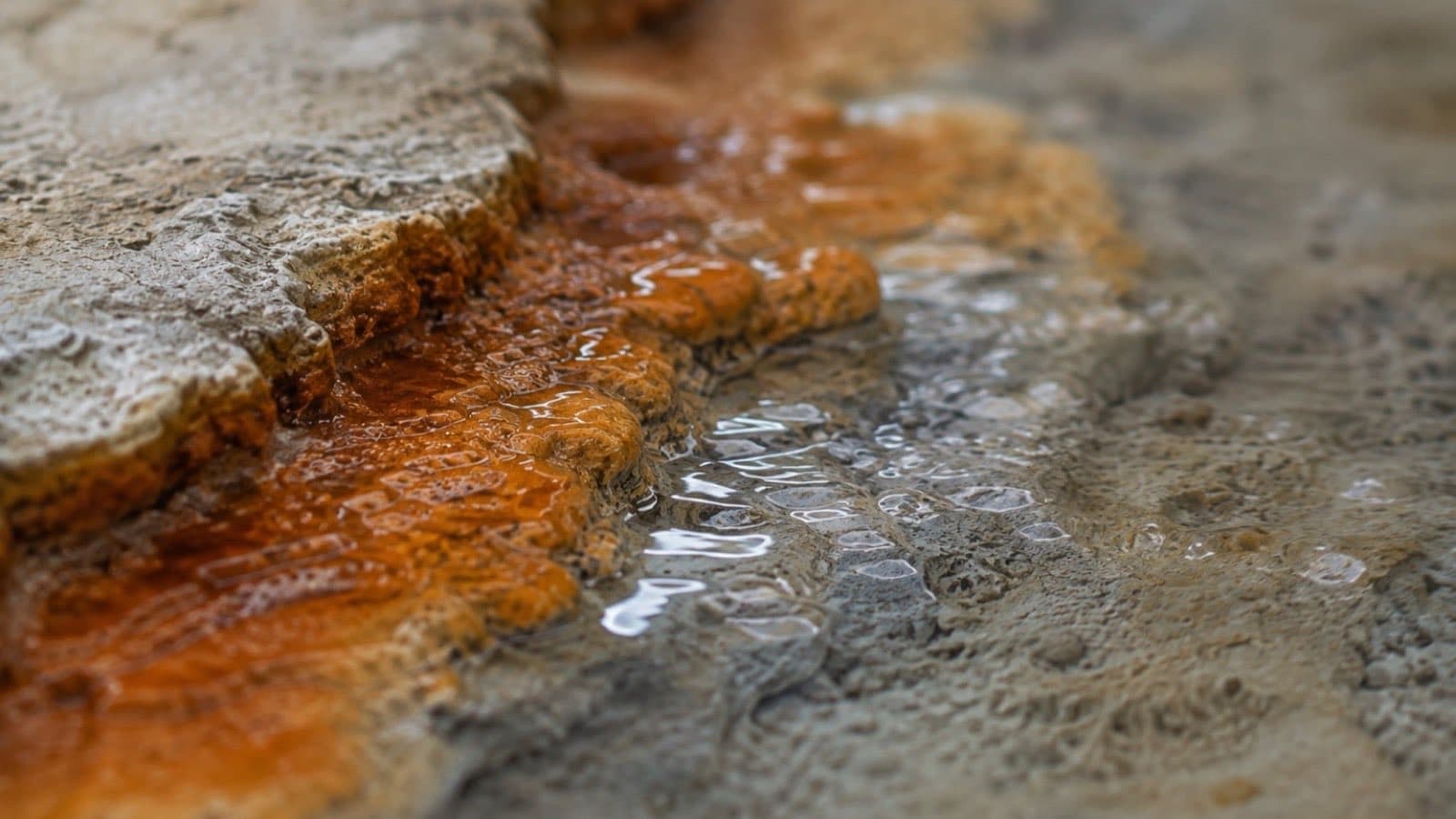
Iron thermal water: why the stone turns orange, and the springs people travelled to drink
Iron in thermal water is invisible underground: it travels dissolved as iron(II), and only turns into the familiar ochre deposit once oxygen reaches it, which is why the colour marks channels, fountains and stone rather than the pool. 21 baths name iron among the dominant constituents of their water, 8 of them with an official medicinal-water certification, and of the 11 that publish a pool temperature, 7 keep it between 34 °C and 38 °C. Several of the old iron springs, such as Rabbi in Trentino and Bardejov in Slovakia, made their name as drinking cures and still offer them today.
Read more →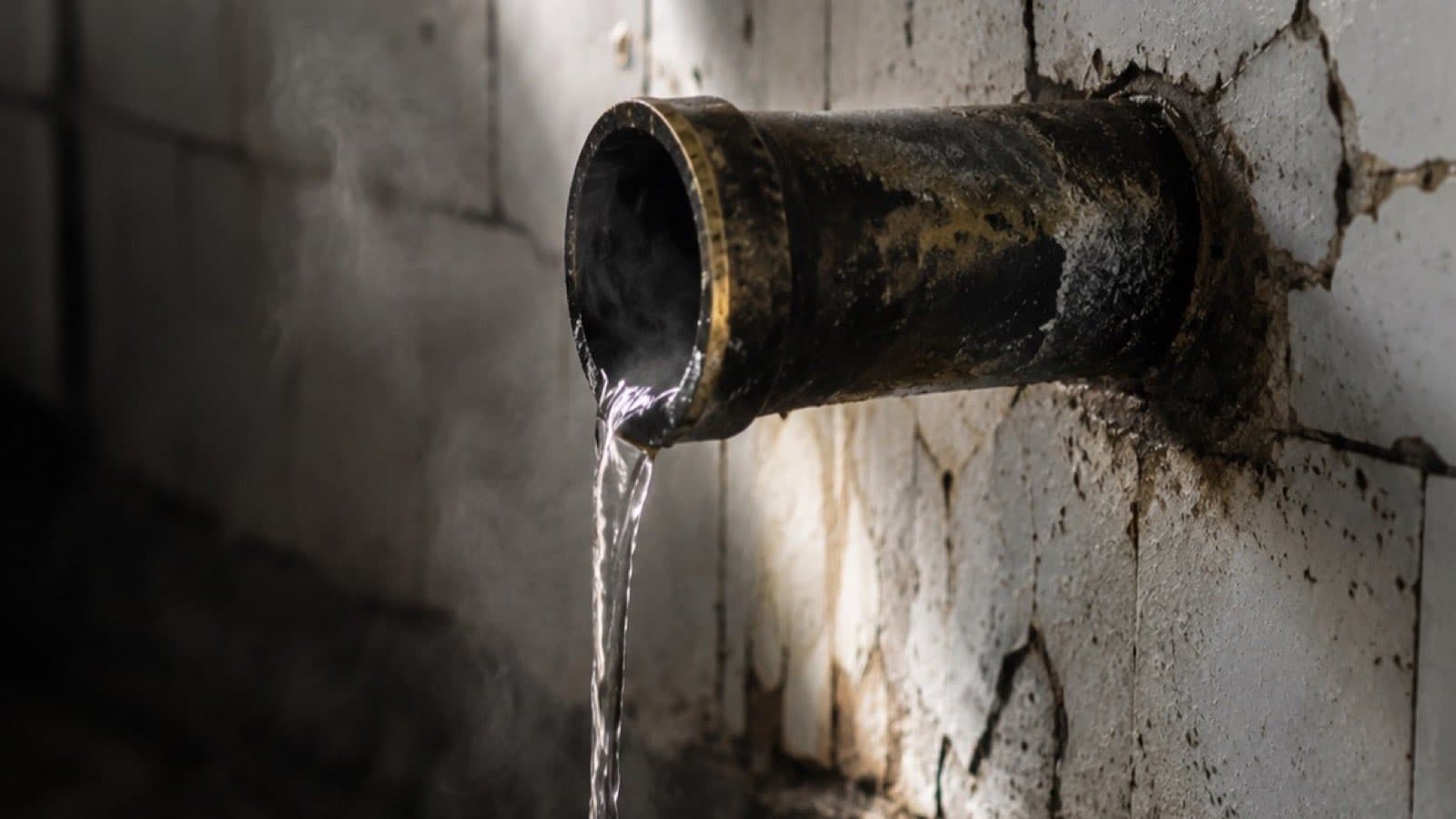
Sulphur thermal water: why it smells, what it does to silver, and the baths from Rotorua to Tbilisi built on it
The smell of a sulphur bath is hydrogen sulphide, which the human nose detects below one part per billion, so a strong smell says little about how much sulphur the water holds; sulphate, the other common form, has no smell at all. 102 baths name sulphur among the dominant constituents of their water, 36 of them with an official medicinal-water certification, and of the 49 that publish a spring temperature, 22 report 50 °C or more, so the water has to be cooled before anyone bathes in it. Operators from Hell's Gate in Rotorua to the bathhouses of Tbilisi warn that sulphur water tarnishes silver: leave jewellery at home.
Read more →
Thermal water for joints and back pain: what the spas say, and what the research says
160 thermal baths state that their water is used for musculoskeletal complaints such as joint and back pain, and 96 of them hold an official medicinal-water certification. Those are the operators' statements. Cochrane reviews of bathing in mineral or thermal water found that it may ease pain in osteoarthritis but called the evidence weak, and found the evidence for rheumatoid arthritis insufficient. Hévíz, for one, lists conditions in which bathing in its lake is not advised and asks every visitor to consult a doctor first; ask yours before you go.
Read more →